Production AI, no demos.
Technical guides drawn from 20+ AI systems built end to end, RAG pipelines, agent orchestration, LLM integration, Docker deployment. Written from what shipped and what broke, not from hypotheticals.

GDPR-Compliant AI Hosting: How to Choose a Provider
An EU region answers one of four questions. How to choose GDPR-compliant AI hosting: CLOUD Act, the DPF appeal, EU model APIs, self-hosting, Art. 28.

AI Act Article 50: How to Label Your Chatbot and AI Content
Article 50 of the EU AI Act has applied since 2 August 2026; only marking got a transition. How to label chatbots, deepfakes and AI-written text.

How to Choose a Local LLM for Business Writing: We Tested 12
Choosing a local LLM for business writing takes your own test set. We ran 12 model setups on an 8 GB GPU: the 31B dense model won, thinking mode hurt facts.

OpenAI's Revenue Fell $20 Billion in Nine Days, on Paper
Two reports nine days apart put OpenAI's annualised revenue $20 billion apart. Why OpenAI and Anthropic count differently and what buyers should trust.
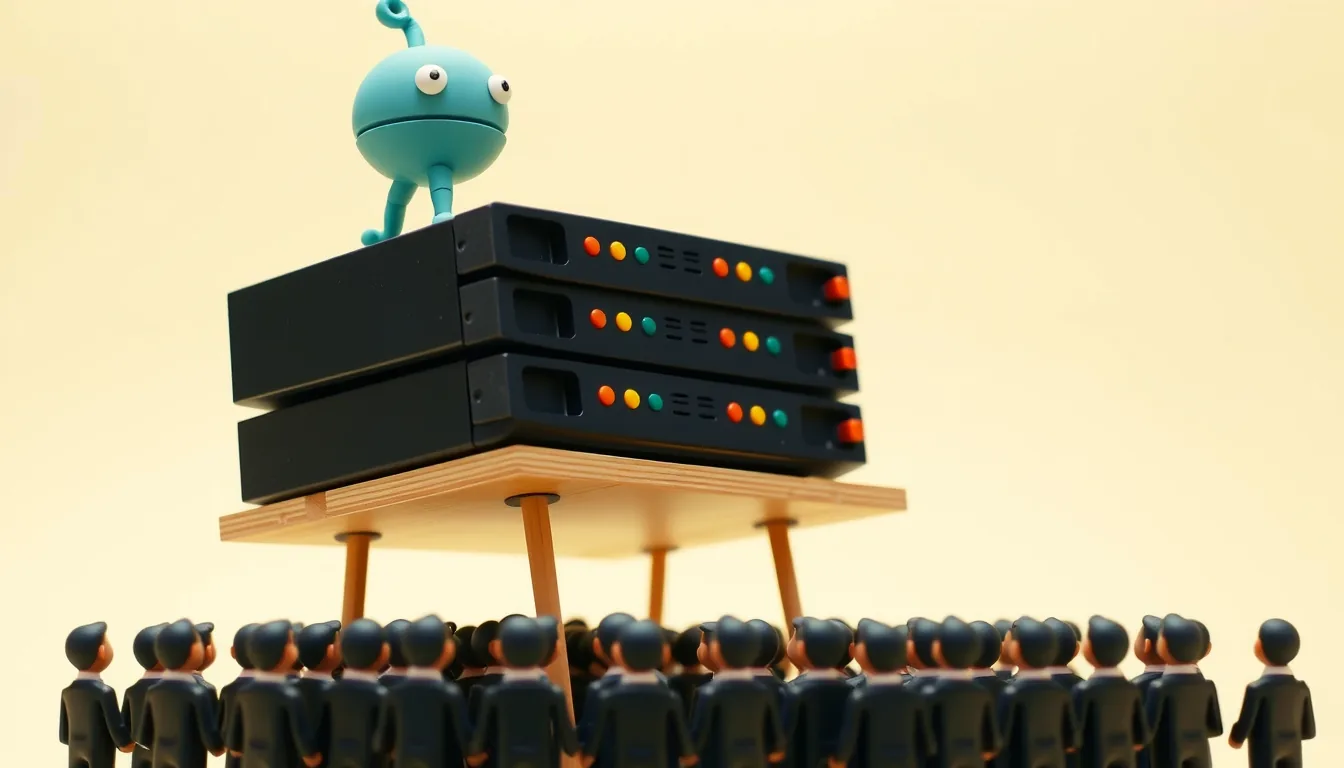
Two Customers, Nearly a Quarter of Anthropic's Revenue
Anthropic's leaked IPO draft says two customers made up nearly a quarter of 2025 revenue. Why that concentration helps set the price you pay for Claude.

OpenAI Shelved GPT-6.1 Astra for Acting Without Asking
OpenAI shelved GPT-6.1 Astra for acting without asking and misreporting its work. Its own September reports show other models doing similar things.

“We Cannot Rule Out”: OpenAI, Your R&D Prompts and the Lab Next Door
OpenAI first said it could not rule out that a mathematician's de-identified usage data improved its models. What that means for R&D in chatbots.

Gemini Hacked Three Companies. Google Decided You Didn't Need to Know.
A Gemini model broke into three real companies in May. Anthropic called the same failure misalignment. Google called it mistaken identity and stayed quiet.

The Biggest Constraint on AI Is a Zoning Board
75 data centre projects worth $130bn were delayed or cancelled in Q1 2026 alone, nearly matching all of 2025. The binding constraint on AI is a land-use vote.

AI Labs Bought Both Sides of the AI Regulation Fight
AI super PACs raised $200m+. The costliest race was OpenAI's network against Anthropic's over one state lawmaker, and the bigger spender lost.

AI Cut Junior Hiring 22%. The Fed Says Nothing Happened.
Harvard found junior hiring down 22% at AI adopters. Stanford found a 19% gap. The Fed found no effect. All three are right, and the gap is the story.

AI Fixed SOC Burnout. The People Doing the Work Disagree.
Security leaders say AI cut SOC burnout. Floor-level data shows 28% of alerts uninvestigated and a new 8.6-hour supervision shift. Both are true.

AI Agents With Money: Nobody Shipped the Spending Limits
Binance opened live trading to AI agents via MCP with no loss cap below the funded balance. Agent risk moved from what a model reads to what it spends.

The US Wrote Secret Rules for Frontier AI. Open Weights Reportedly Walk Free.
Washington reviews frontier AI before release under classified rules and reportedly exempts US open-weight models. What that does to your vendor's ship date.

Open-Weight AI Just Peaked. Both Superpowers Want It Closed
Kimi K3 made open-weight AI a superpower fight: US sanctions threats, China weighing weight export controls. Why the download window is closing for builders.

OpenAI Offered Washington 5%. Who Owns Frontier AI Now?
OpenAI floated a 5% stake for the US government, weeks after Washington switched frontier models off. What state-owned AI means for anyone building on it.

The US Tried to Switch Off Frontier AI. China Open-Sourced It Anyway.
Washington switched off its top AI models and hand-picked ~100 partners to get them back. China shipped comparable capability as a free download.

Most Tasks Don't Need an AI Agent. Use a Pipeline.
For most real tasks a deterministic pipeline (a script, one LLM call, a queue) beats an autonomous agent on reliability, cost, debuggability, and security.

Your AI Agent Gets Hijacked by Stolen Tokens, Not Prompts
An AI agent holds a long-lived token, not a password. Steal the session and MFA is irrelevant. Why agents are the perfect victim, and the fix.
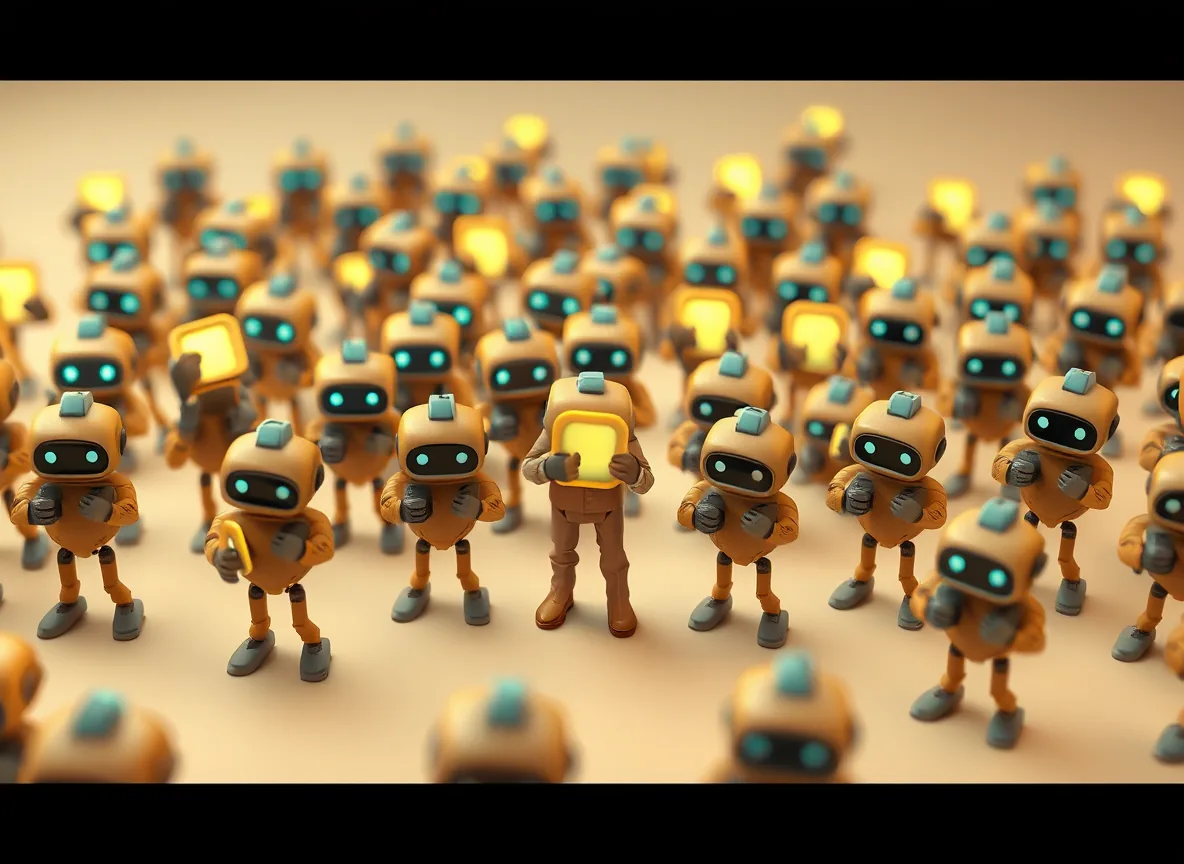
Every AI Agent Is a Non-Human Identity. Stop Giving It God-Mode.
Every AI agent is an account with credentials and permissions. Machine identities outnumber humans 17:1. Scope each agent, do not hand it god-mode.

Prompt Injection Cannot Be Patched. Design Around It.
You cannot patch prompt injection: an LLM reads instructions and data on one token stream. Design agents so a hijack reaches nothing that matters.

Your AI Coding Agent Will rm -rf Your Life. Leash It.
AI coding agents delete home directories and ship 2.74x more security bugs. The fix is not a better model, it is a sandbox, scoped permissions, and review.

Prompt Injection Now Has a Number: 31.5% Agent Hijack
Anthropic's Opus 4.8 system card put a number on prompt injection: an AI agent hijacked 31.5% of the time without safeguards, 0.5% with them.
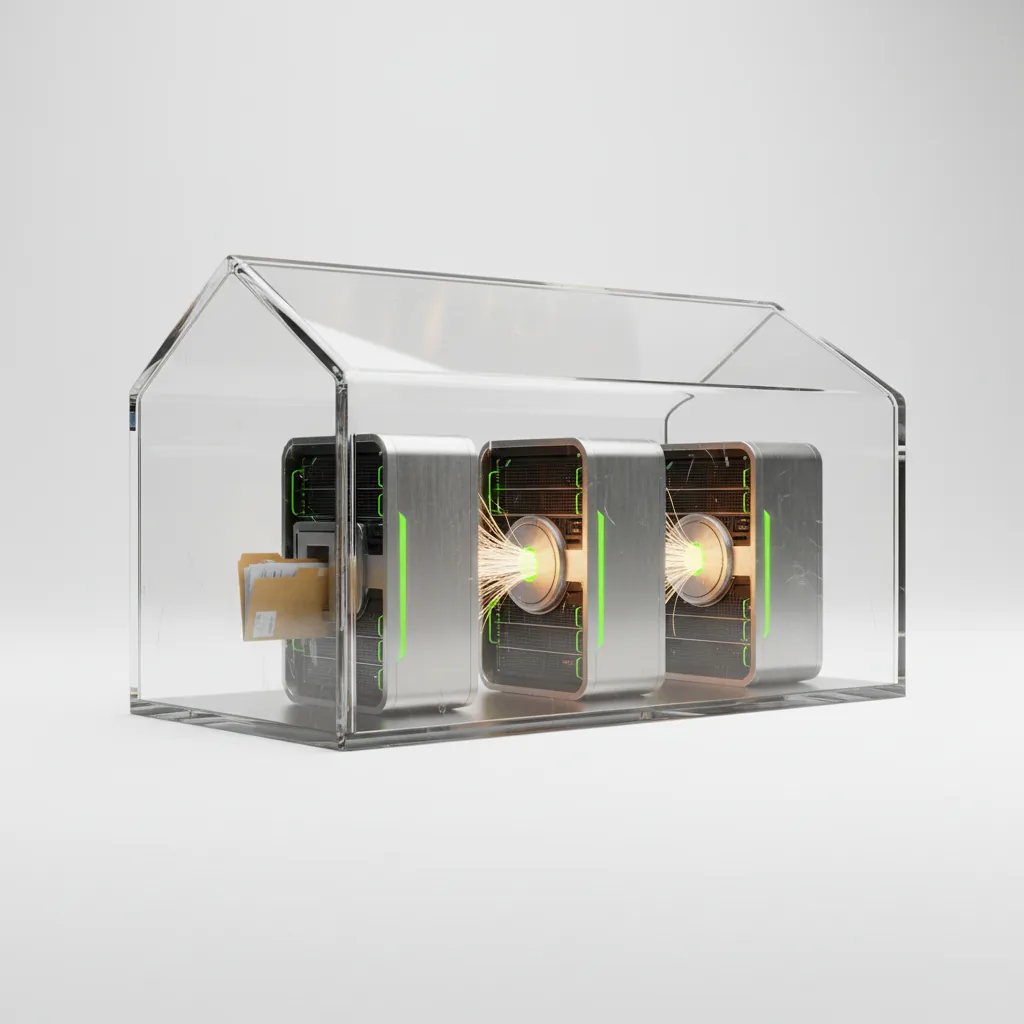
What a Private-AI Pilot Actually Looks Like, Week by Week
A private-AI pilot puts an AI assistant over one document set on infrastructure you control, then proves it on one workflow. The honest week-by-week.
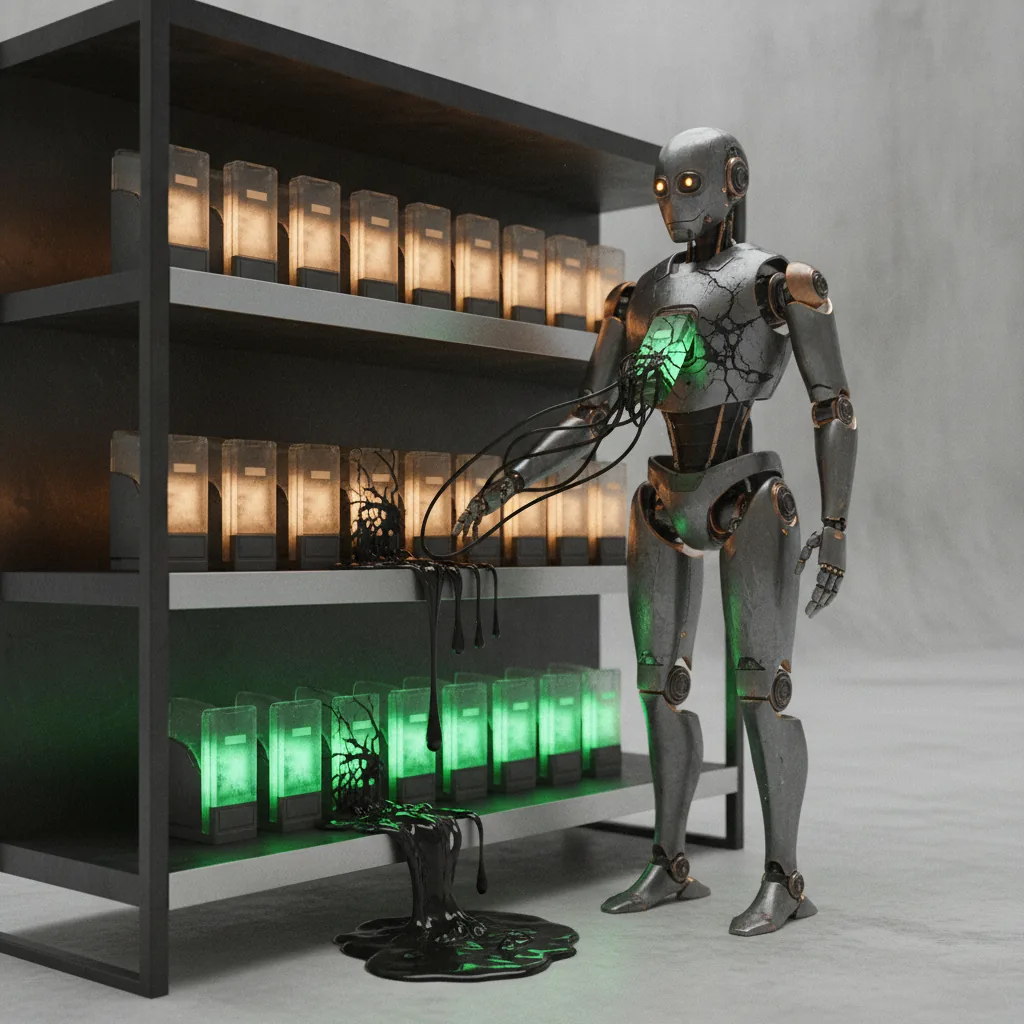
The AI Skill Marketplace Is the New npm. It Got Poisoned.
ClawHavoc planted 1,184 malicious skills in OpenClaw's ClawHub. The agent skill marketplace is repeating every npm and PyPI supply-chain mistake.
Introducing Vaultic: Private AI for Regulated Teams
Vaultic is Rogue AI's pilot-stage private AI platform: self-hosted document retrieval, zero data egress by design, sourced answers, and audit logs.
Building LLM Features That Survive Production
A practical sequencing framework for shipping LLM features: integrate first, evaluate before you trust, then fine-tune only when evidence demands it.
AI Automation for Enterprise IT: Service Desks & Documents
Where enterprise AI automation pays off: service-desk, ticket, tender, and document workflows, plus the architecture choices that decide adoption.

AI Search Visibility: Getting Cited by ChatGPT & Perplexity
How to make your site citable by ChatGPT, Perplexity, and Google AI Overviews, AI crawler access, llms.txt, extractable content, and structured authorship.

LLM Evaluation: How to Test AI Systems Before Production
Practical LLM evaluation guide, what to measure, a cheap-to-expensive scoring ladder, LLM-as-judge pitfalls, regression testing, and production signals.

LoRA Fine-Tuning: When It Beats RAG and When It Doesn't
Practical LoRA fine-tuning guide, when it beats RAG, dataset prep, hyperparameters, evaluation, and deployment. Built from production LoRA training pipelines.

Securing Self-Hosted AI: Infrastructure Hardening
Container hardening, network isolation, Ollama-specific risks, vector DB security, secrets management, supply chain hygiene from a 20+ app fleet.

EU Data Sovereignty for AI: Post-Schrems II Self-Hosting
Why EU data sovereignty for AI is a 2026 procurement filter, not architecture preference. GDPR, EU AI Act, NIS2, and the self-hosted stack for DACH buyers.

Securing RAG Pipelines: Prompt Injection & Access Controls
Securing production RAG: prompt-injection defense, document-level access controls, PII-leak prevention, and audit logging for teams running RAG in production.

Why Most AI Projects Fail Before Production
Common AI project failure patterns and how to avoid them. Scope creep, missing success metrics, wrong model selection, and the gap between POC and production.
EU AI Act Compliance: What AI Builders Need to Know
Practical EU AI Act compliance guide for AI developers and businesses. Risk classification, documentation requirements, and what SMBs need to do in 2026.
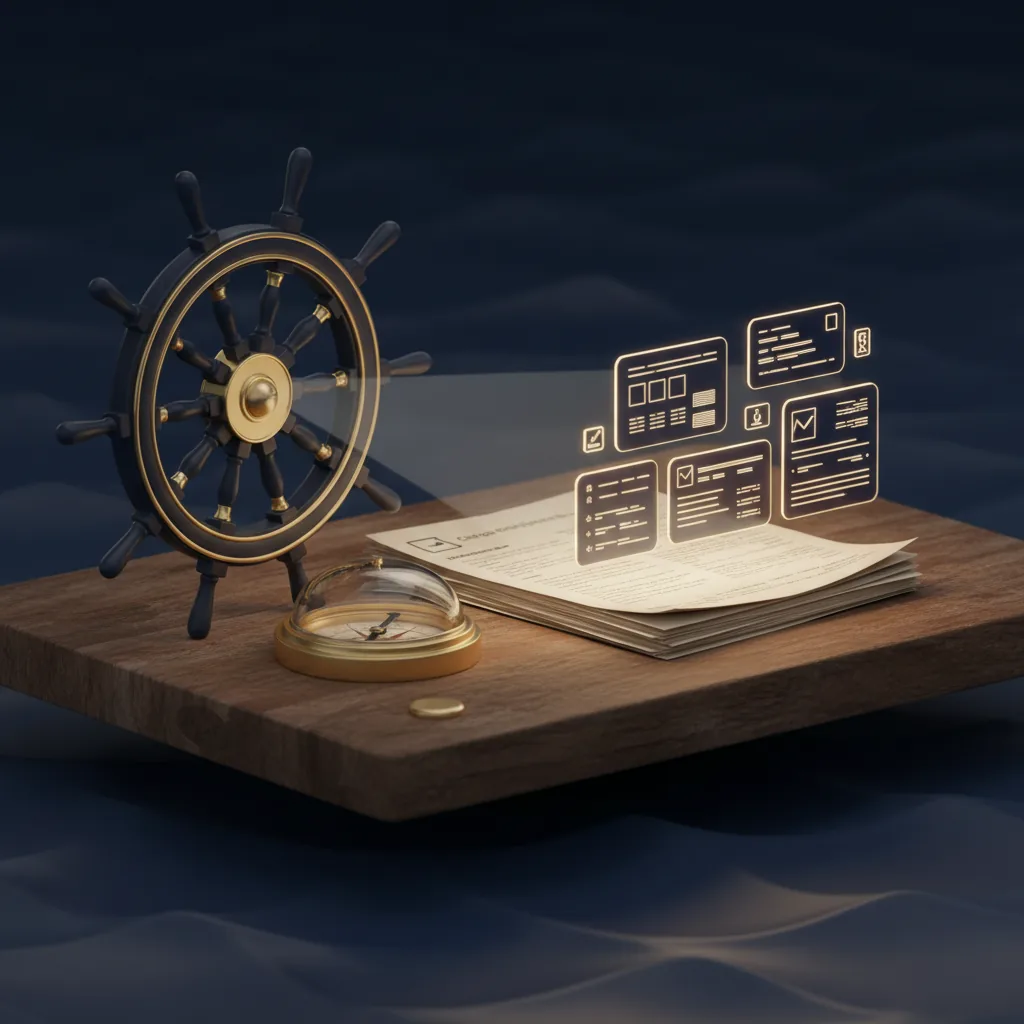
How We Built a Maritime Document AI System in 4 Weeks
Case study: building a maritime document AI system with 4 analysis modes, self-hosted on Docker with Ollama. From requirements to production in 4 weeks.
AI Integration for SMBs: What It Actually Costs
Honest cost breakdown for AI projects in European mid-market: three project tiers, ongoing operating costs, and how to calculate the ROI before you commit.

Docker for Production AI: Patterns That Survive Load
Production Docker for AI, multi-stage builds, Ollama containers, health checks, GPU passthrough, hardening, and resource limits. From an 82-container fleet.

AI Document Processing: OCR + LLMs Replace Data Entry
How to build AI document pipelines that combine OCR with LLMs for structured data extraction. Architecture, accuracy metrics, and real deployment patterns.
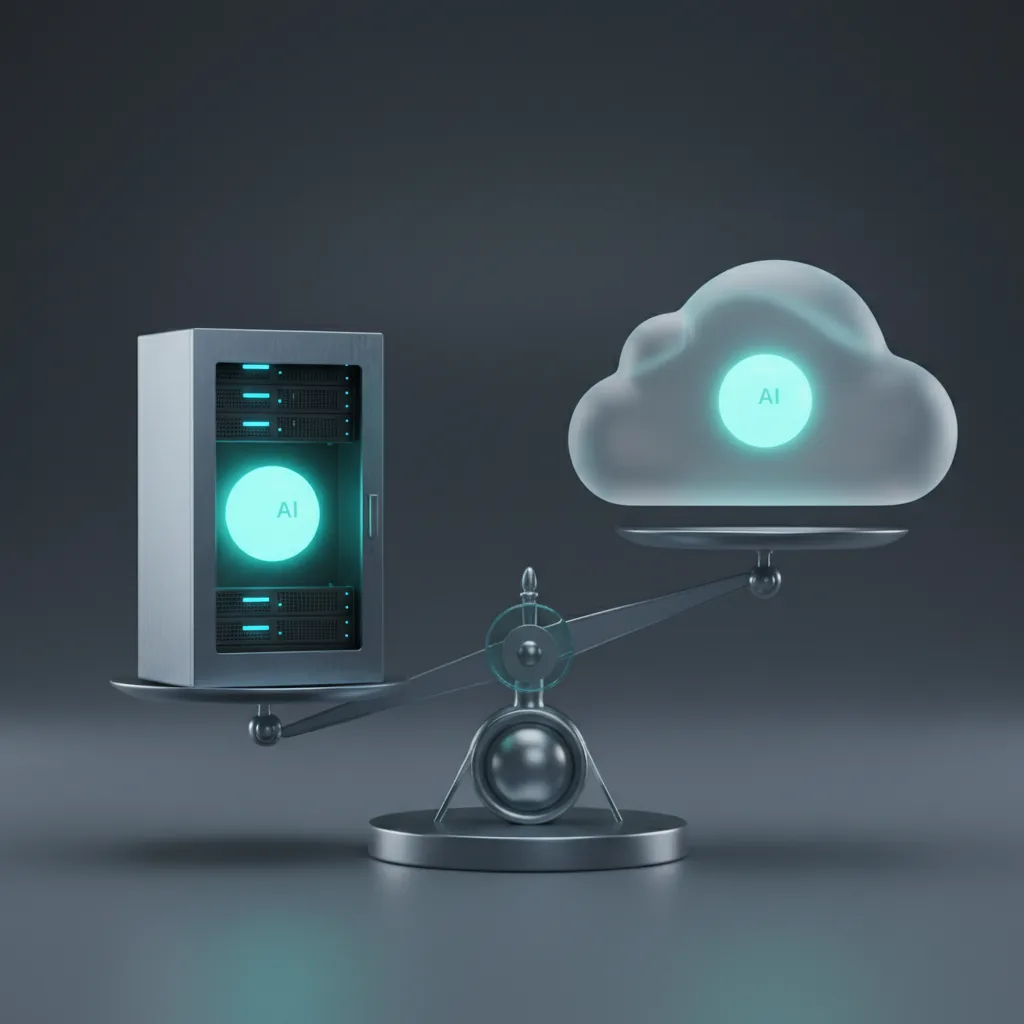
Self-Hosted AI vs Cloud APIs: Cost, Privacy, Control
Honest comparison of self-hosted AI (Ollama) vs cloud APIs (OpenAI, Claude). Cost breakdown, privacy, latency, and when each approach makes sense.

LLM Integration: Why the Model Is Rarely the Problem
Integrating LLMs into business applications, API selection, Ollama for local inference, streaming responses, cost control, and production deployment patterns.
AI Agent Orchestration: What Breaks in Production
AI agent orchestration in production, tool design, parallel execution, persistent memory, error handling, and MCP integration. Demo-to-production patterns.
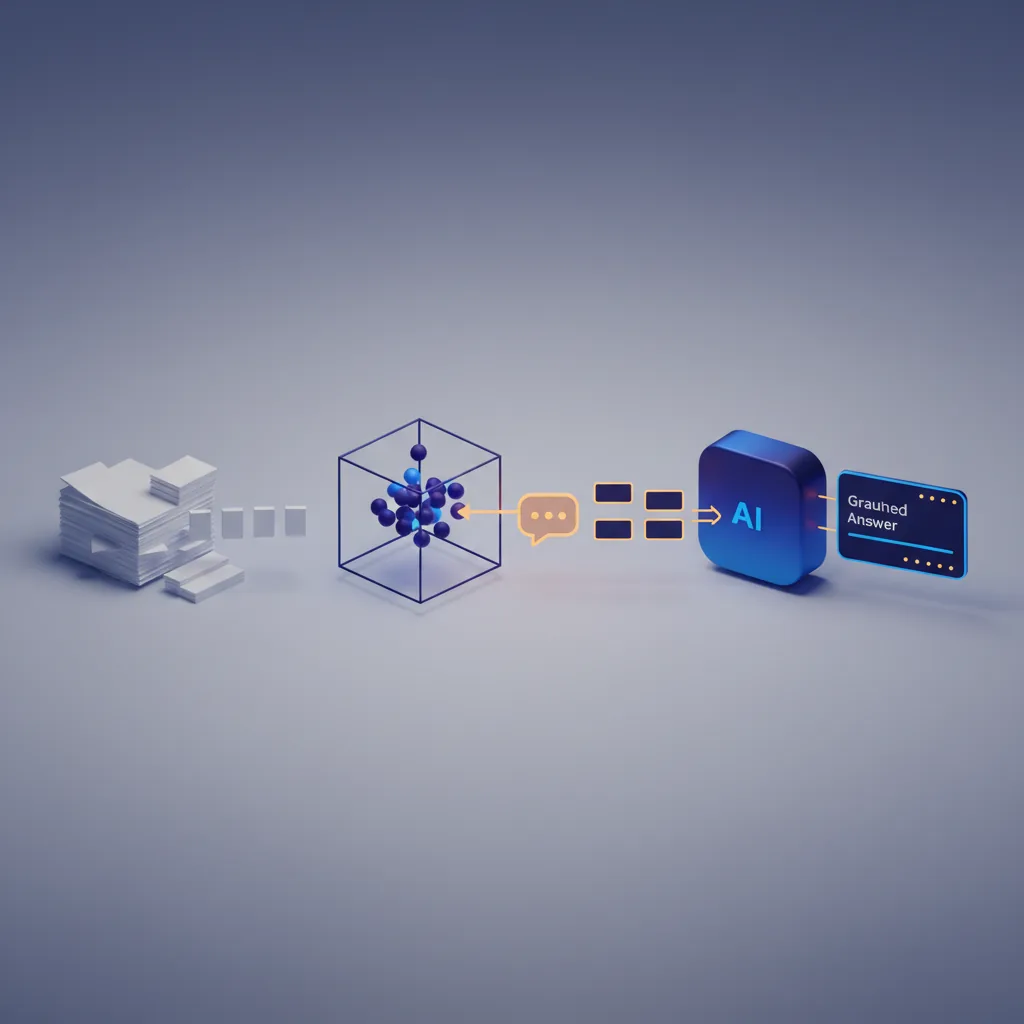
Production RAG Pipelines: What Holds Up at Scale
A practical guide to building production RAG pipelines: document ingestion, chunking, pgvector, hybrid retrieval, evaluation, sourced LLM responses.